Tackling Old Man’s Beard: Ten Years of Volunteer Action in the Motueka Valley
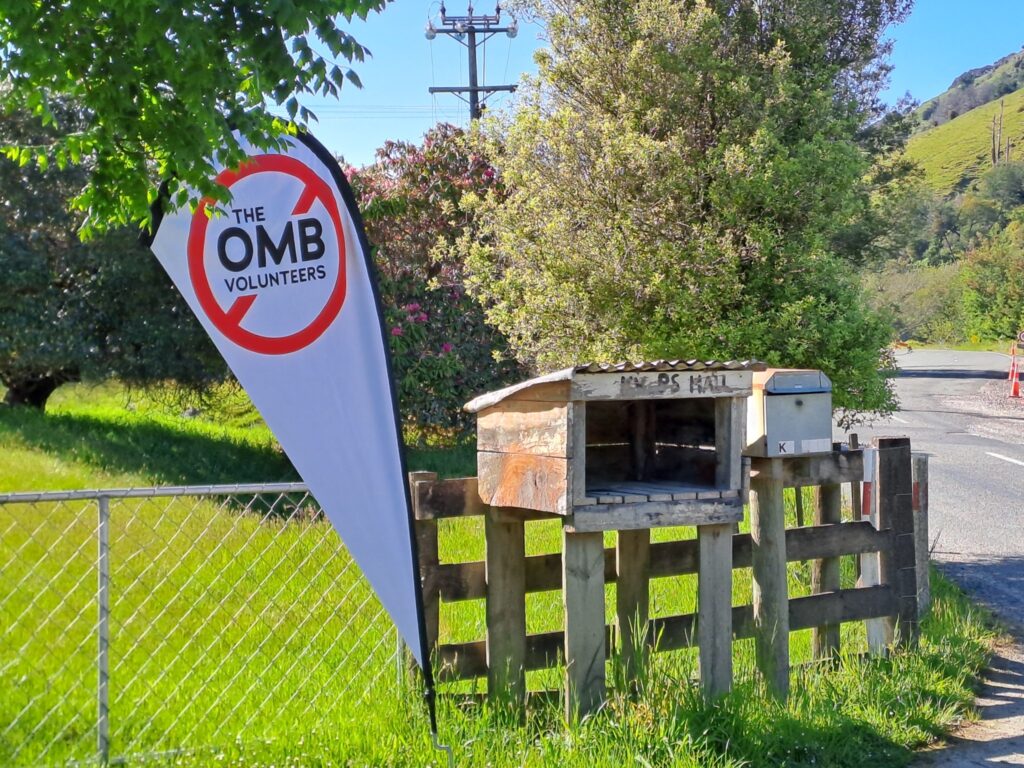
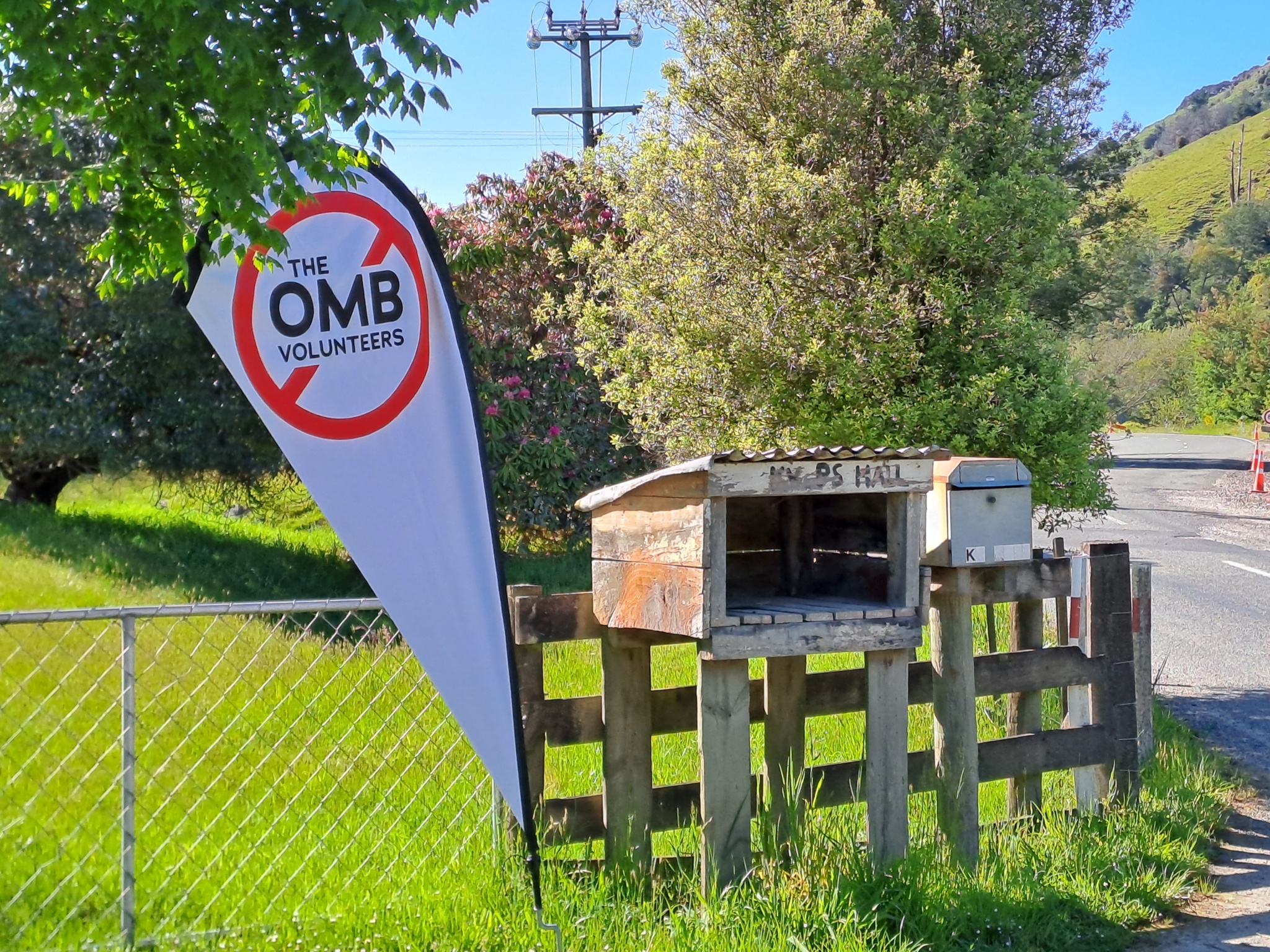
Ten years ago, a meeting at Ngātīmoti Hall brought locals together to hear Project DeVine’s Chris Rowse describe the threat posed by Old Man’s Beard (OMB) — a rampant vine that smothers native bush and spreads rapidly through wind‑blown seed. That evening sparked the creation of the Motueka Valley OMB Volunteers, now coordinated by Bruce Stare.
“We just wanted to save what remnant bush we could,” Bruce recalls. “And we’ve stuck with it ever since.”
Demonstrating What’s Possible
OMB is often seen as overwhelming, but the volunteers have shown otherwise. With good organisation, a dedicated team, and consistent, targeted effort, even this aggressive weed can be kept at bay.
“We’ve proved you don’t have to give up hope,” Bruce says. “If you focus on areas that matter — mostly QEII covenant blocks, remnant bush patches — you can protect them. The native bush knows what to do. You just have to give it a chance.”
“We’ve got a dozen volunteers on the books,” he says. “Five or six regulars. If we get eight, it’s a good turnout.”
Their work demonstrates that restoration is achievable. By concentrating on discrete, significant sites, the group has created a model of what persistence can achieve.
What They’ve Achieved
Over the past decade, the crew has cleared OMB, sycamore, hawthorn, and barberry from many sites across the valley. Native regrowth has flourished, often reaching head height within a few seasons.
“Landowners are amazed at the transformation,” Bruce says. “They see bush coming back where they thought it was lost.”
The team now works on a rotating schedule of ten bush sites each year, most of which are QEII blocks, with monthly working bees (excluding December and January). Most covenants are modest in size — around a quarter to half an acre — but some are much larger.
Covenant care, however, is not without challenges. Floods and storms can wipe out pest and pig‑proof fencing, leaving landowners with costly repairs. “Without strong fencing, regeneration is always at risk,” Bruce says. “You can clear weeds, but if stock or deer get in, you’re back to square one.”
A Return to Woodstock
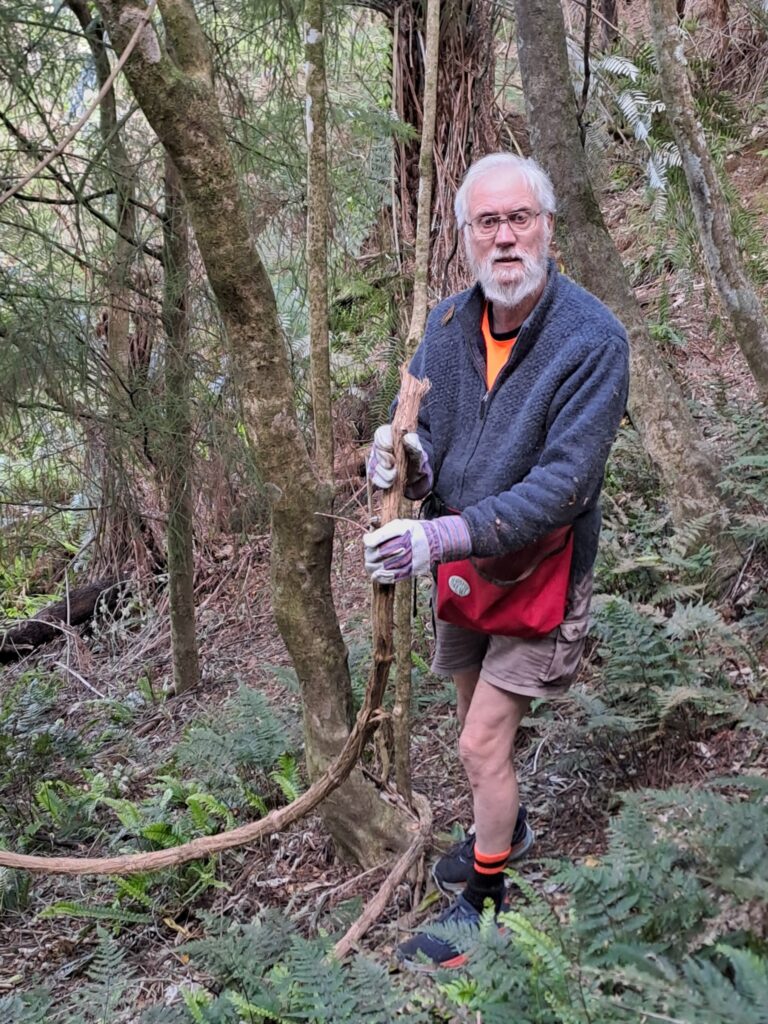
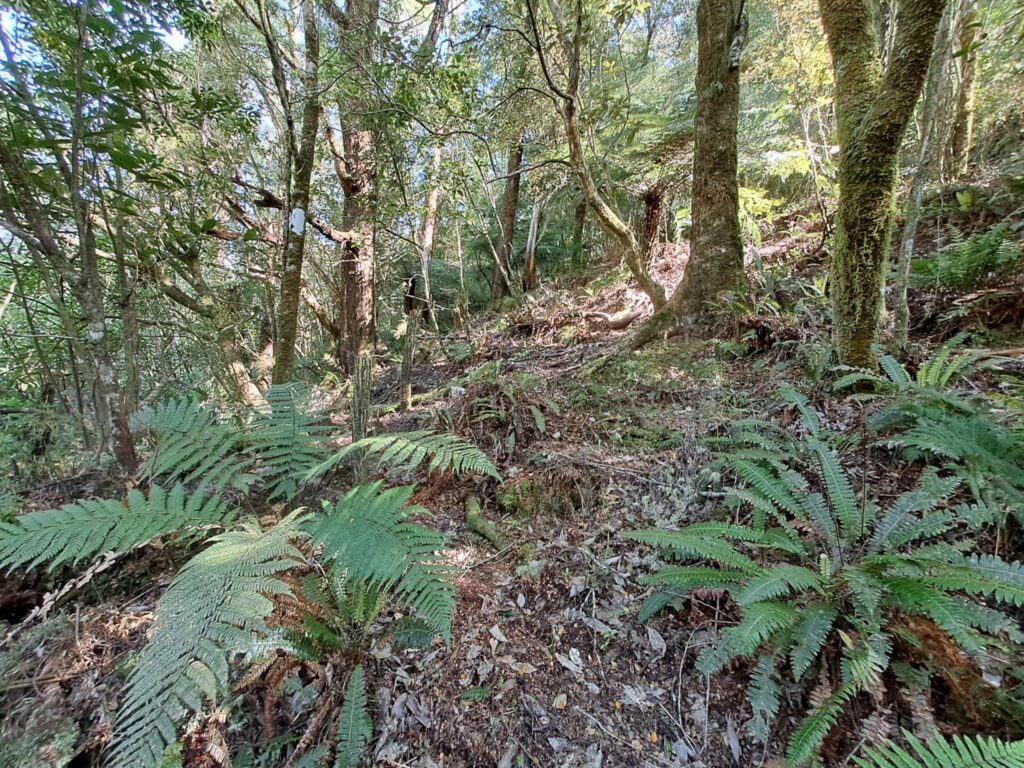
The group’s latest working bee took place at a bush remnant in Woodstock, near the intersection of Dovedale Road and the Motueka Valley Highway. It was a return visit — two years earlier, the team had cleared the lower slopes.
“This time we were pleased to find the area largely weed‑free,” Bruce reports. “There were only minimal seedlings of OMB and barberry. It shows what a difference follow‑up makes.”
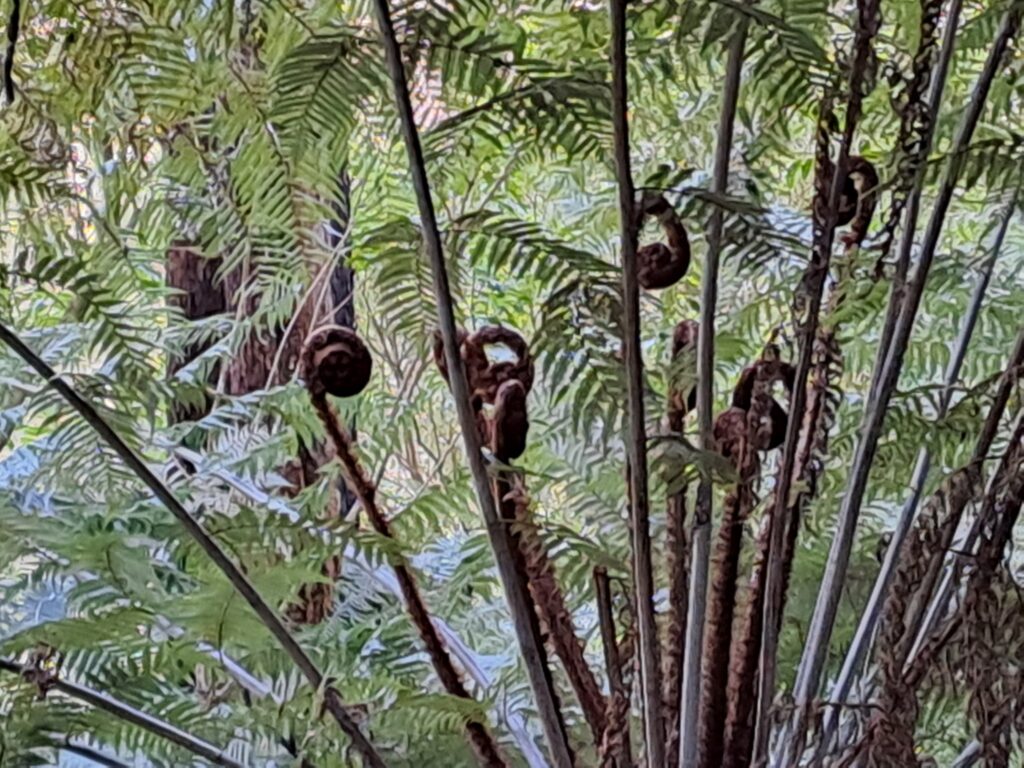
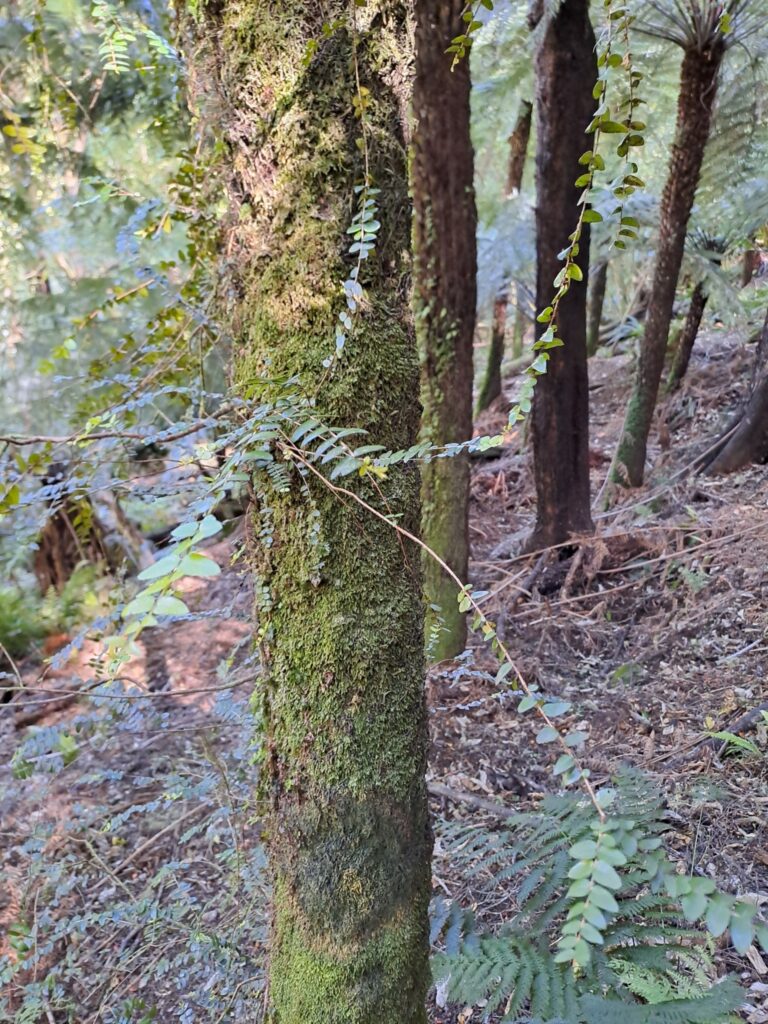
Signs of healthy regrowth were everywhere: flourishing white rātā vines, fresh koru on tree ferns, and low browsing pressure. “There are still some small deer coming through,” Bruce noted, “but overall, the bush is bouncing back.”
What’s Needed Now
Bruce is clear‑eyed about what it takes to protect QEII blocks and other bush remnants and keep OMB under control. “You can’t just clear the weeds and walk away,” he says. “You need fencing, follow‑up, and ideally some planting too — especially in places like Haycocks Bush where weed removal gives space to regenerate.”
The group is increasingly collaborative. They’ve joined forces with MCC’s Pest Management Group to support larger community working bees, including restoration efforts on the Motueka River West Bank Road.
“The idea is to show what’s possible,” Bruce explains. “Clear the pest plants and animals. Fence the bush. Replant. Then keep coming back.”
Looking Ahead
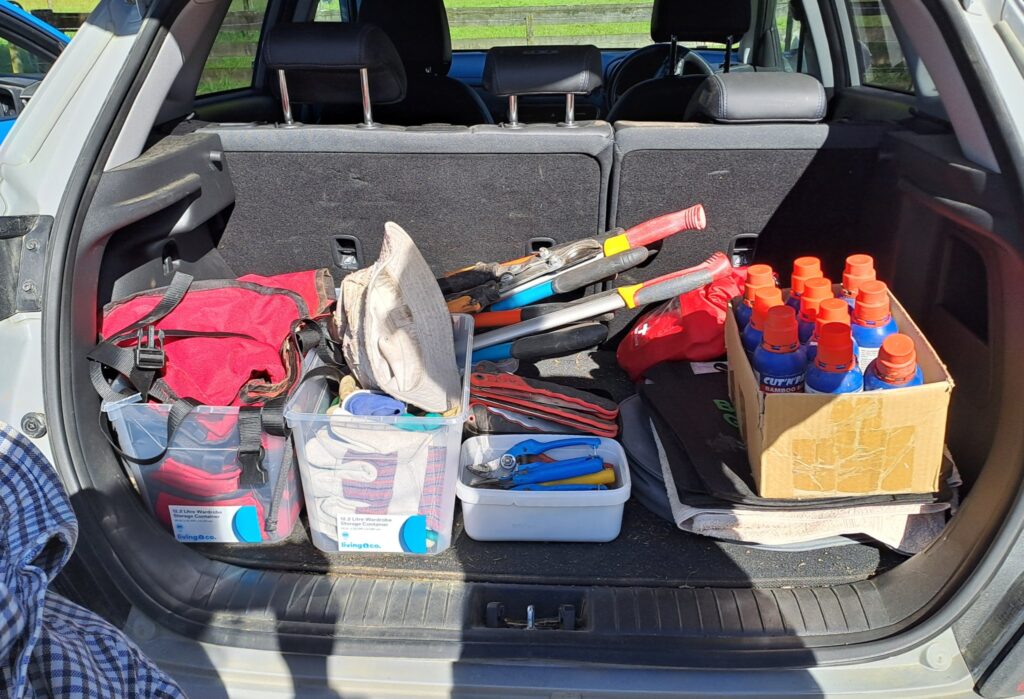
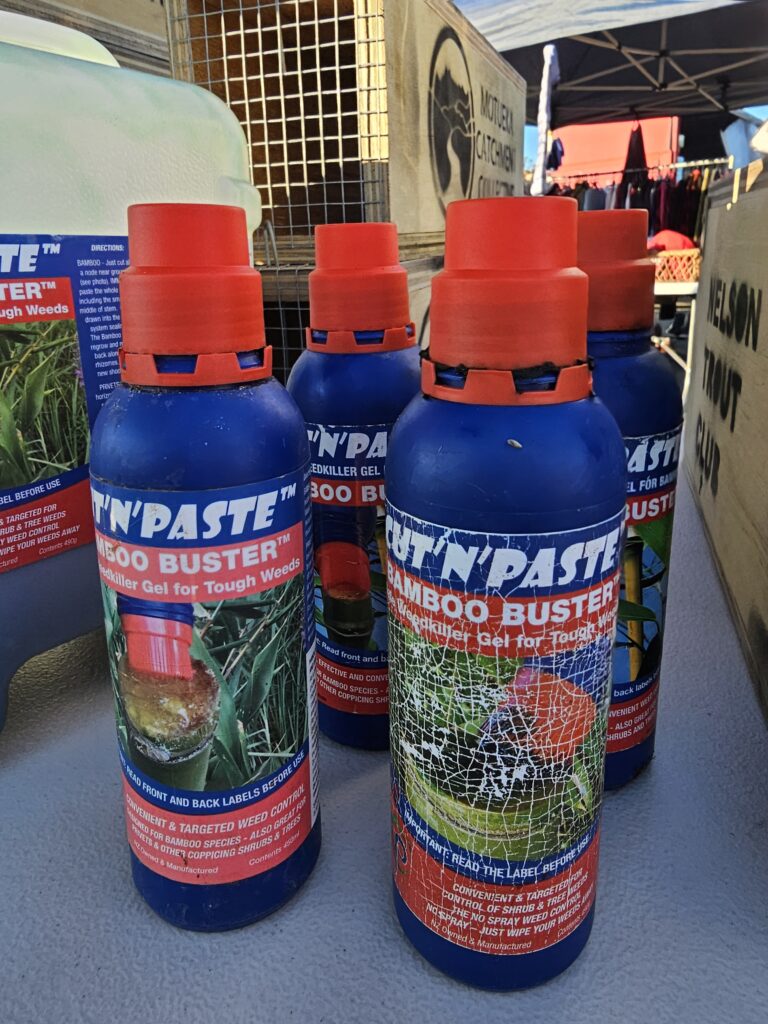
Bruce estimates there are 20–30 QEII covenants in the Motueka Valley, with a mix of small and large blocks. Some are substantial, others still waiting for support. The group is practical about its limits — tools wear out, glyphosate stocks run low, and advertising costs add up. But the spirit remains strong.
“We’re here because we enjoy each other’s company and want to make a difference,” Bruce says. “And it’s good to see other groups popping up — in Brooklyn Valley, Tapawera. We wish them all the best.”
Hope for the Future
The Motueka Valley OMB Volunteers have shown that determined, well‑organised community action can protect native bush. Their work on QEII blocks demonstrates that OMB can be managed, regeneration can flourish, and important remnants can thrive.
“We’ve made progress,” Bruce reflects. “It’s not perfect, but it’s proof. If you stick with it, the bush will come back.”
Guidance for Landowners: Tackling OMB on Your Own Property
Old Man’s Beard (OMB) can feel overwhelming, but the Motueka Valley volunteers have shown it doesn’t have to be. With persistence and the right techniques, landowners can make real progress themselves. Here are some tips:
Cut‑and‑Paste Method
- Positively identify OMB before acting — don’t confuse it with native vines like NZ passion vine.
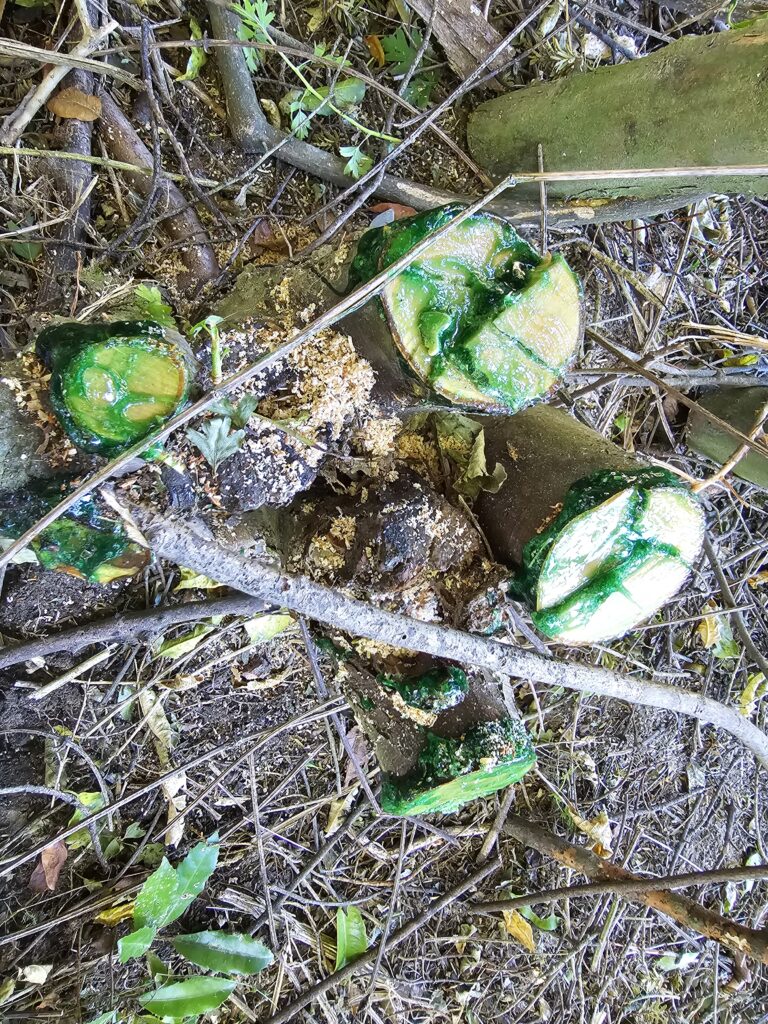
- Cut the stem cleanly at ground level with loppers or a saw.
- Immediately apply herbicide gel or paste to the fresh cut surface. This prevents resprouting and ensures the chemical reaches the roots.
- Leave the upper vine in place — it will die back naturally without damaging surrounding bush.
- Follow up regularly, especially in the first two years, to check for seedlings or regrowth.
- If you have very large infestations, you may need to employ a specialist weeding contractor to get rid of these at first.
Why it works: This method is simple, effective, and doesn’t require specialist equipment. With steady follow‑up, OMB can be kept at bay and native bush given space to regenerate.
Other tips:
- Fence bush remnants where possible to keep browsing animals out.
- Combine weed control with planting to accelerate recovery.
- Work in manageable areas — start small and expand as you succeed.
Support available:
Landowners don’t have to do this alone. MCC’s Pest Management Group can provide advice, connect you with volunteers, and share practical resources. Their experience shows that OMB can be managed, especially in areas of significant native bush like QEII covenants.
As Bruce Stare puts it: “Clear the pest plants and animals. Fence the bush. Replant. Then keep coming back. The native bush knows what to do — you just have to give it a chance.”