The story of Rewilding
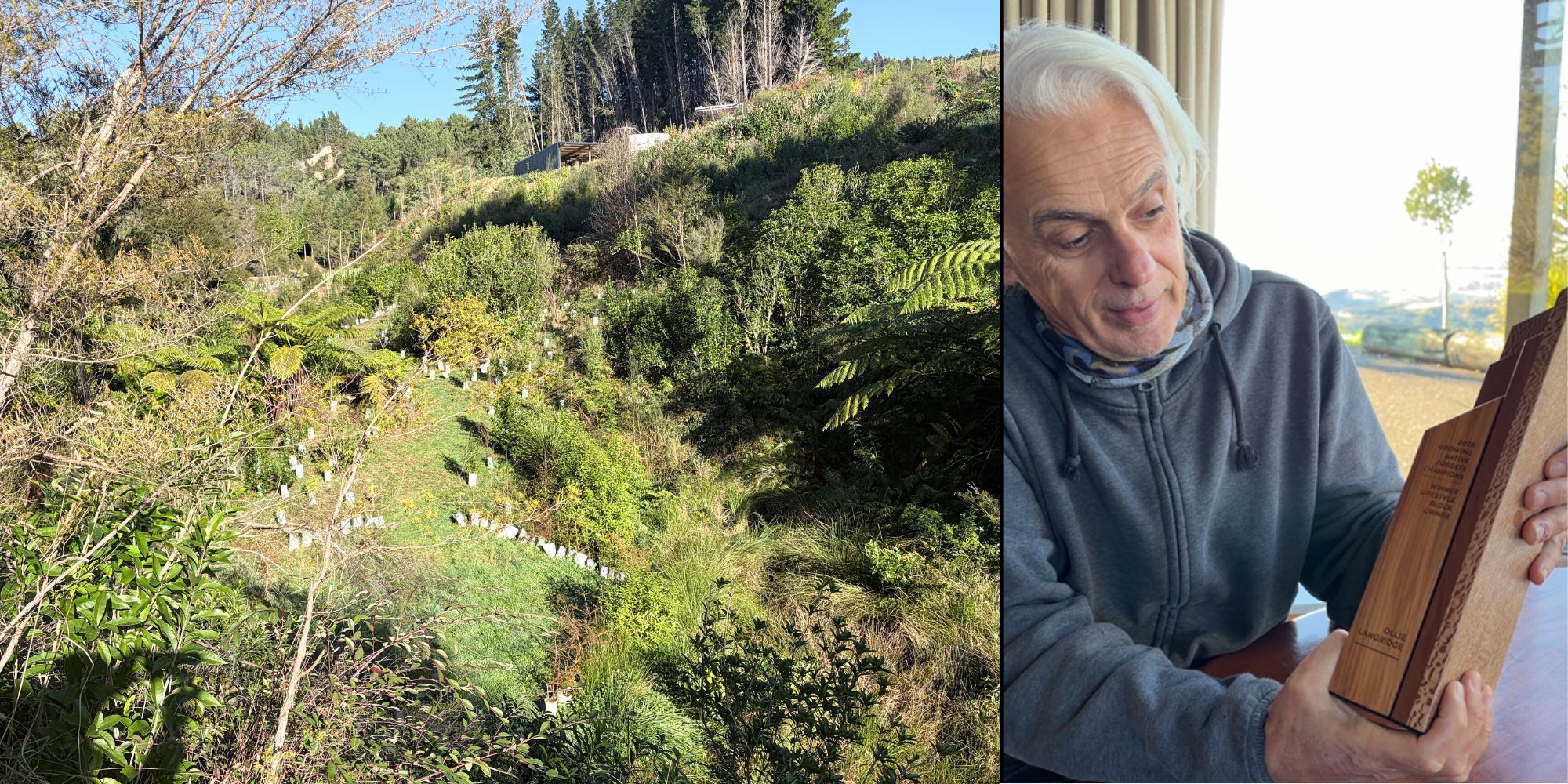
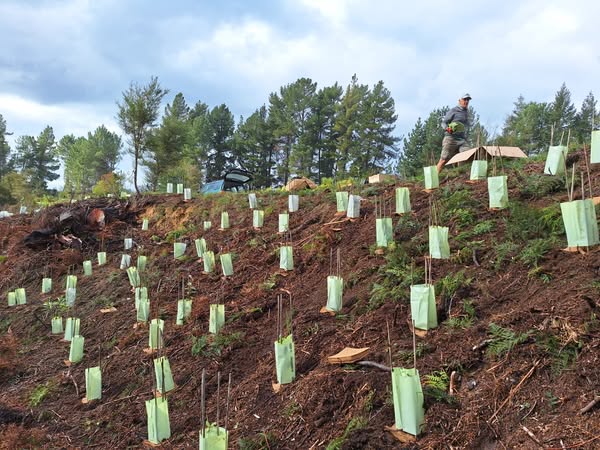
When Ollie first arrived at the 17‑hectare block now known as Rewilding, the land felt tired — a patchwork of pasture, weeds, and fragments of what once was. But it also held possibility. Five years later, that possibility has become one of the largest volunteer‑powered native forest restoration projects in the Tasman region.
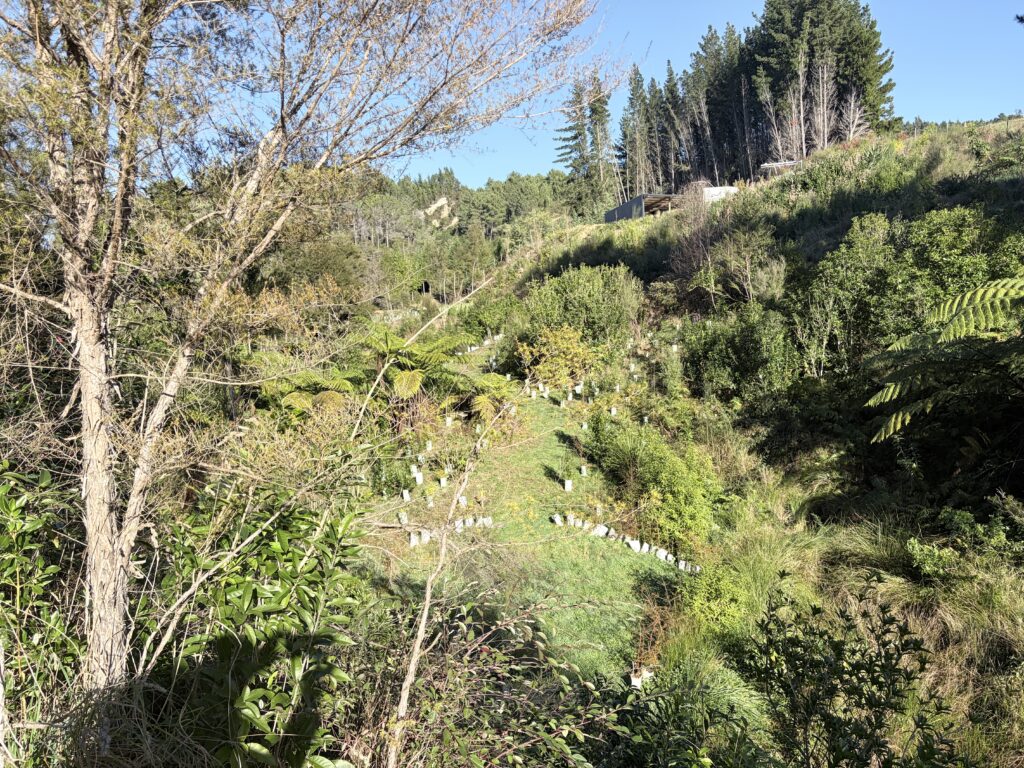
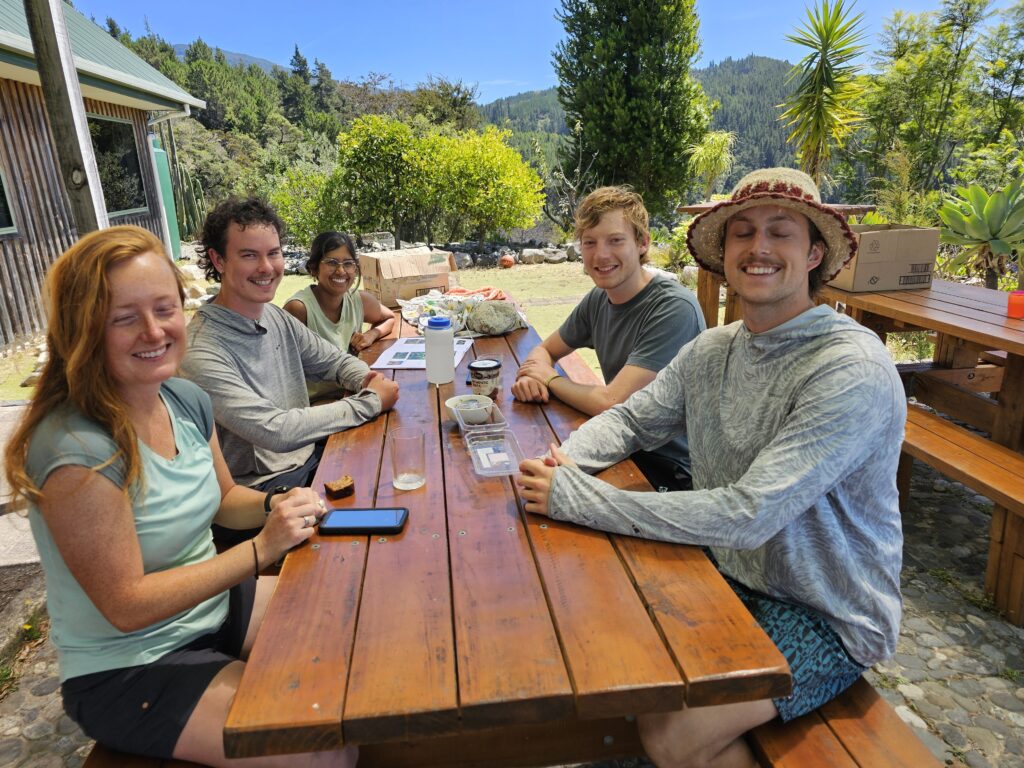
More than 450 volunteers from 23 countries have walked through the gates at Rewilding — around a hundred each year. Some stay for a day, some for weeks, some return year after year. Together, they’ve helped transform the lower Motueka Catchment hillside into a thriving mosaic of young native forest, wetlands, and wildlife habitat.
Nearly nine hectares are now protected under QEII covenant, open for the public to explore, learn, and reconnect with the whenua.
From the beginning, the vision was simple: restore native ecosystems, and restore people’s connection to them. Not through lectures or pamphlets, but through muddy hands, shared tools, and the confidence that grows when someone realises, “I can do this on my own land too.”
Over time, Rewilding has become a living classroom. Local schools wander through the nursery, learning how to sow seed and spot pest tracks. Community groups come for open days and workshops. Landowners arrive with questions and leave with planting plans, propagation tips, and the spark to start their own projects.
The numbers tell part of the story:
16,000 eco‑sourced native trees planted,
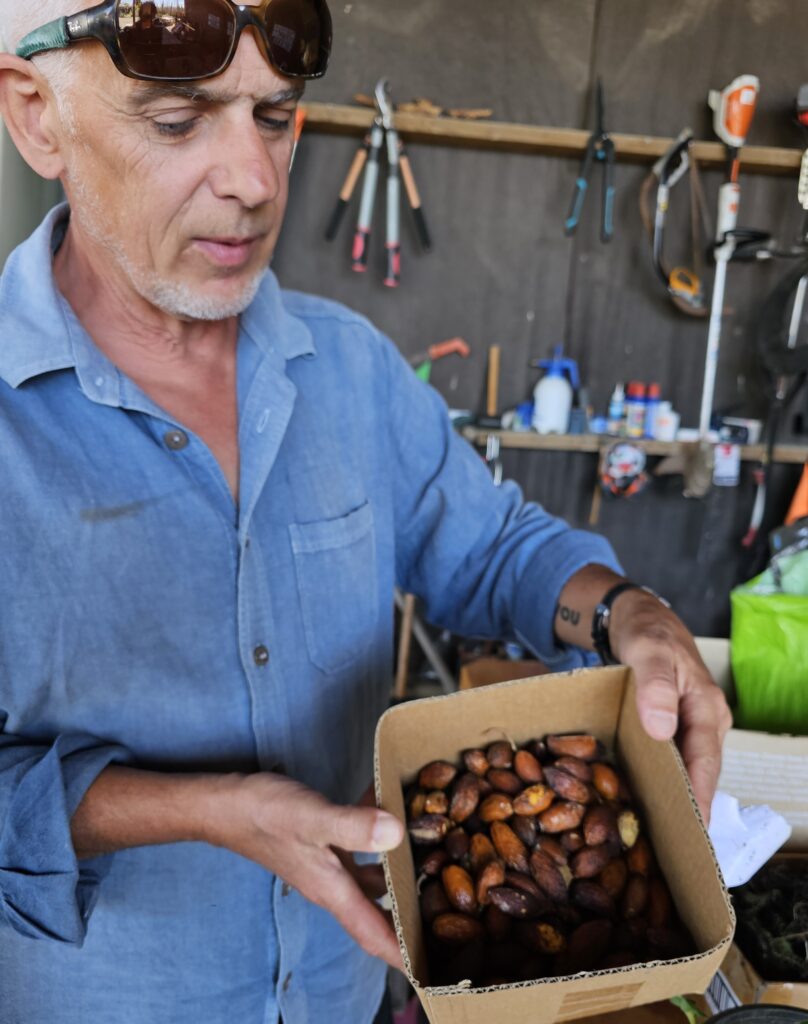
over 500,000 seeds sown,
80% of plants now grown onsite,
every locally endemic species represented,
more than 500 pests removed to protect the new forest.