Logging the Heat in Our Rivers
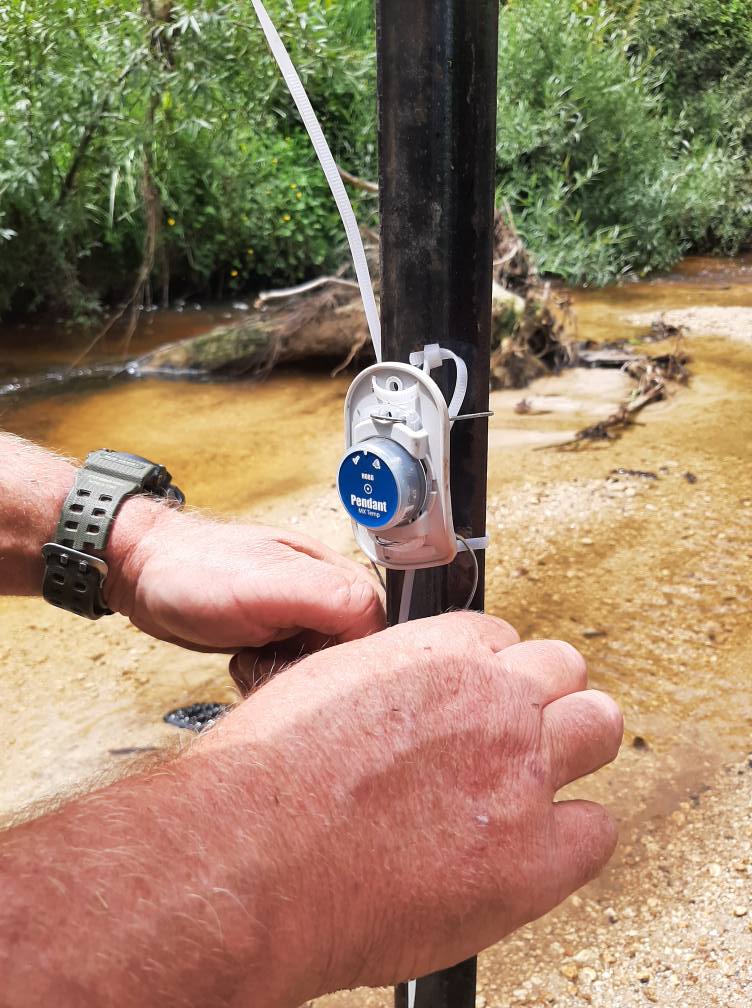
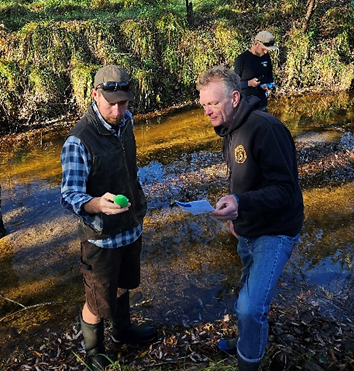
Last week, the Tasman Bay Guardians team installed nine HOBO temperature loggers in tributaries already being monitored by Community‑Based Freshwater Monitoring Groups (CBFM). These compact, waterproof devices automatically record stream temperatures at set intervals, providing reliable long‑term data on freshwater conditions.
By adding continuous temperature records, the HOBO loggers extend the work of CBFM groups who use SHMAK (Stream Health Monitoring Assessment Kits) to track stream health through regular snapshots of clarity, flow, invertebrates, and spot temperatures. While these indicators are all important, temperature is often the most immediate driver of change: warmer water holds less oxygen, stresses fish and aquatic insects, and can tip the balance of whole ecosystems. Continuous monitoring is particularly valuable in summer, when streams are most vulnerable to heat stress.
The Motueka Catchment Collective funded the loggers to recognise the incredible mahi of all the freshwater monitors. Over the coming summer, the data will show local monitoring groups which streams are under the greatest pressure, guiding practical actions to bring water temperatures down—such as riparian planting and restoring shade along stream margins. Current monitoring includes waterways such as the Win Valley Stream, Dove River, Orinoco River, and Baton River..
It’s important to remember that temperature is only one lens on stream health. While HOBO loggers provide a simple, constant measure of thermal conditions, a full understanding of river wellbeing also draws on a wider set of indicators. These include ecological measures such as the Macroinvertebrate Community Index (MCI), water clarity, nutrient levels, and habitat assessments, alongside cultural health monitoring that values the voices, experiences, and relationships communities and iwi hold with their rivers. Together, these scientific and cultural perspectives create a more holistic view of stream health—helping us understand not just the physical conditions, but the living systems and human connections that make a river resilient.
In this way, the “cool river” concept is not just about lowering temperatures, but about re‑establishing living river functions—where flows, habitats, and cultural connections are all respected. Continuous temperature monitoring is a practical tool within that wider vision, helping us see when streams are under stress and guiding collective action to restore resilience.
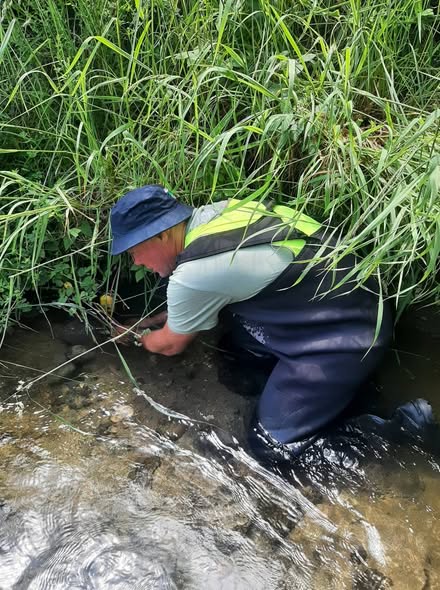
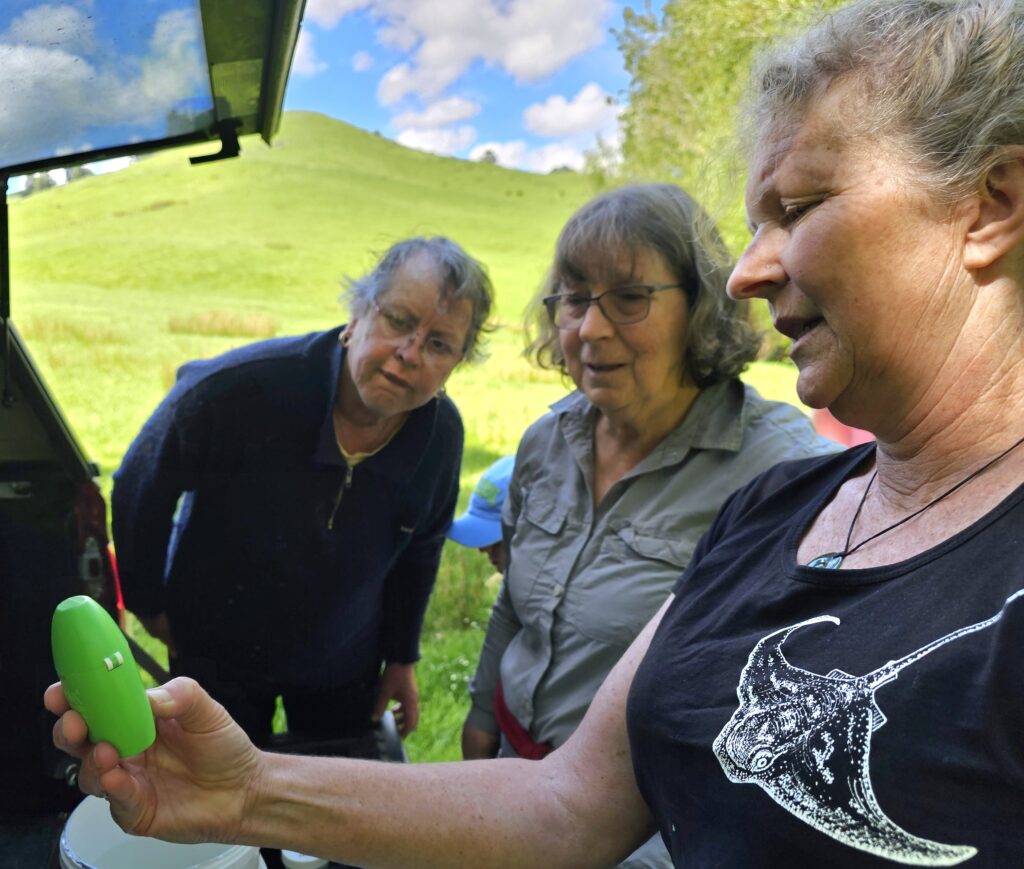
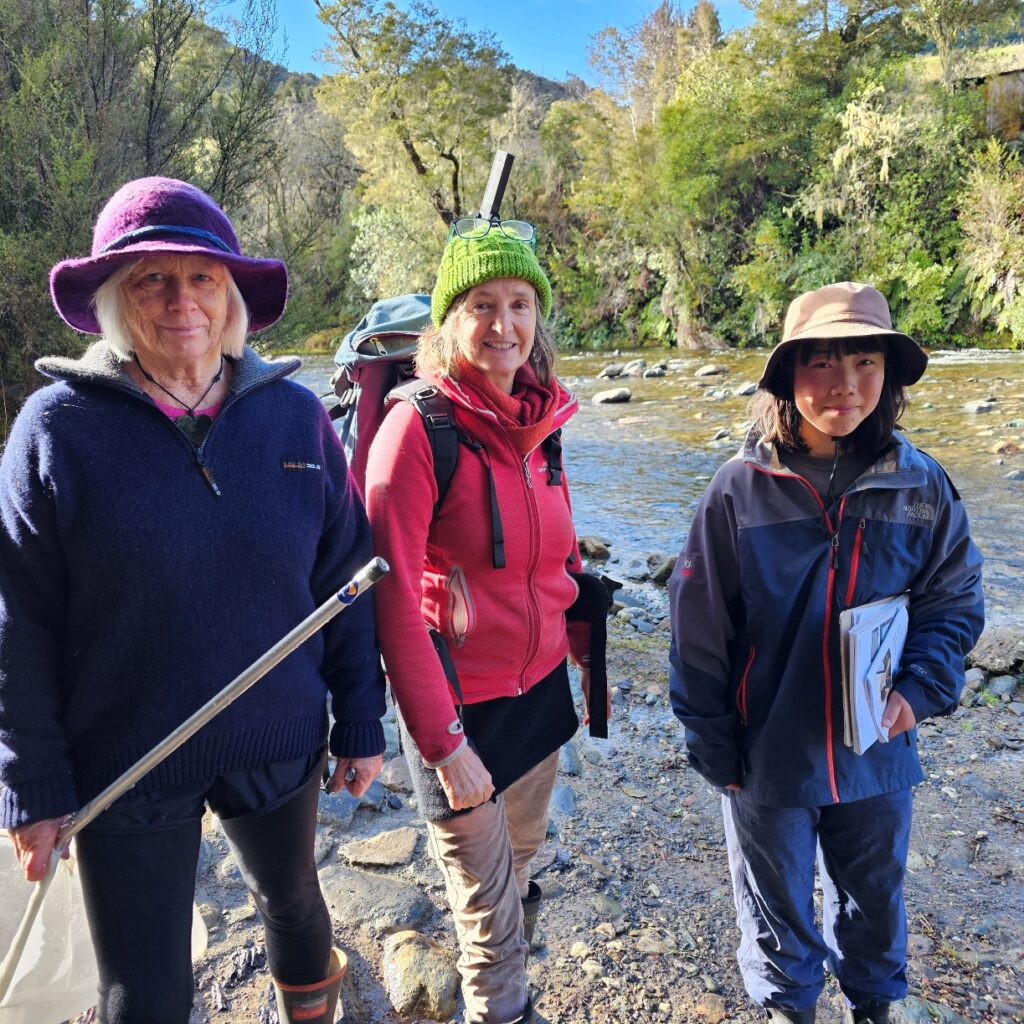
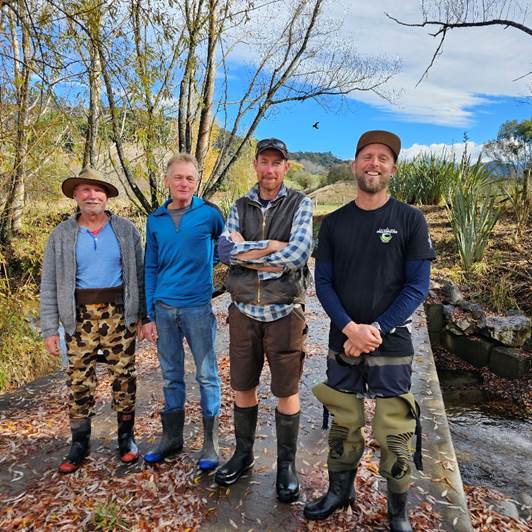
Thanks so much to the Tasman Bay Guardians team for getting these loggers in place before Christmas, and to the ten Community‑Based Freshwater Monitoring groups working across the Motueka Catchment, some of which are shown below.
Your dedication is making a real difference for the health of our rivers.
Previous Story
MCC Group Updates!
Next Story