For one Moutere Valley landowner, Louise Allardice, the years following Covid brought an unexpected change in direction. Before the pandemic, life centred on travel and work in the tourism sector. When borders closed and the pace of life shifted, she returned to the family farm on the Moutere Highway near Harley Road, looking for a new project to put her energy into.
When her children left home in August 2020, the quiet created space to focus on the land. The property — around 80 acres, with some sheep and an expanding 7‑acre garden — offered plenty of scope. The first step was practical: fencing off the waterways. With support from Elliott Easton, the fencing went in, creating the foundation for what would become a much larger restoration effort.
Planting followed soon after.
What began as a straightforward idea grew into a long‑term commitment. With a background in European‑style gardening, she found herself learning about native species from scratch — planning the layout, preparing the ground, marking pathways, and making sure plantings stayed clear of power lines. Her aim was to create spaces people could walk through and enjoy, rather than a dense block of vegetation.
Since then, she has planted around 17,000 native plants, almost entirely on her own. Most of the plants came through Elliott, and she has purchased or grown around 3,000 herself. She hopes to continue adding around 2,000 plants each year, depending on funding and capacity.
The work has been significant, but the changes on the land are already clear: new growth, more birdlife, and a landscape slowly shifting toward a more resilient native system. “It’s been more work than it needed to be,” she says, “but also incredibly rewarding.” As soon as the rain comes, she’ll be back out planting for the year ahead.
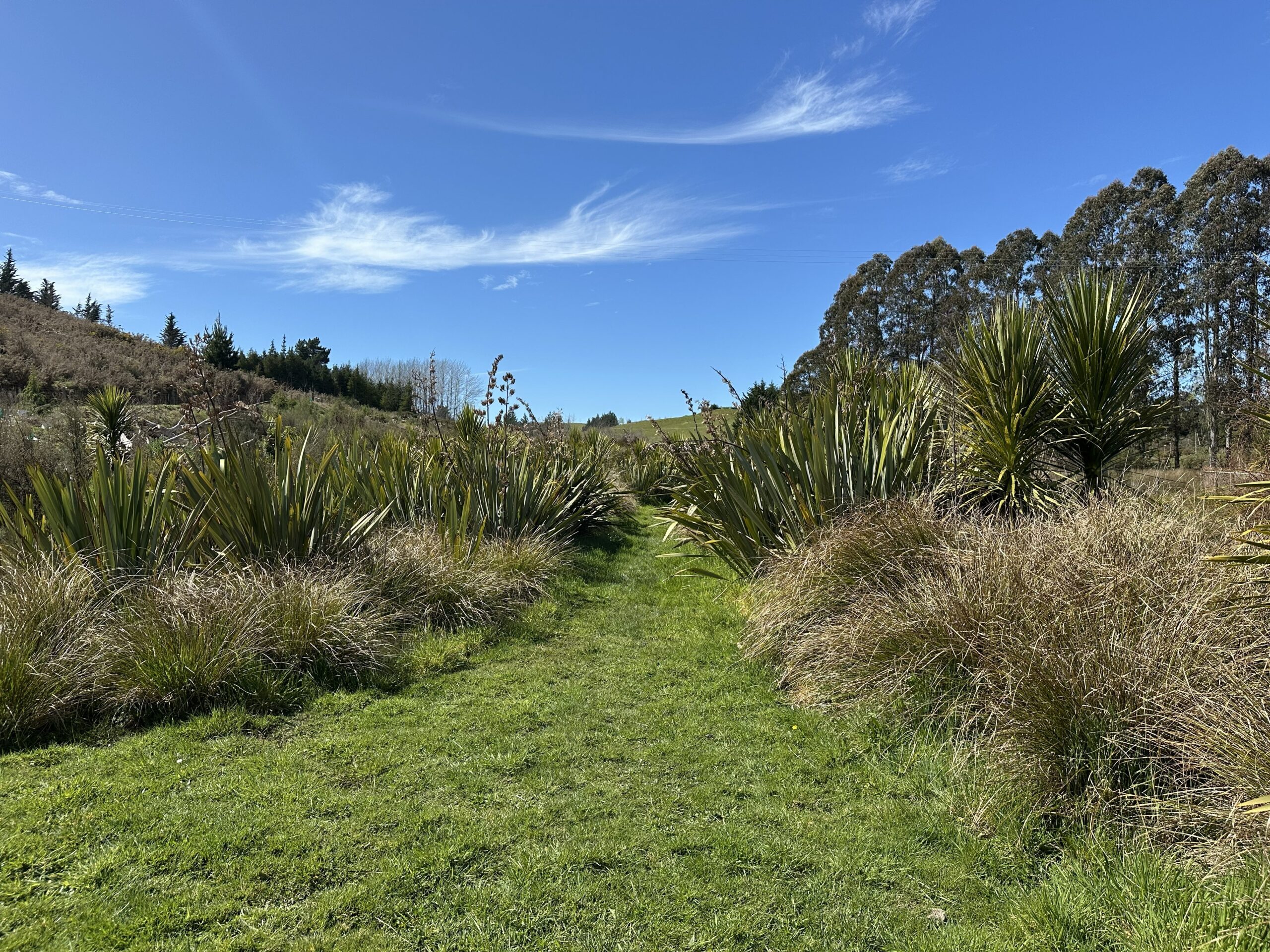
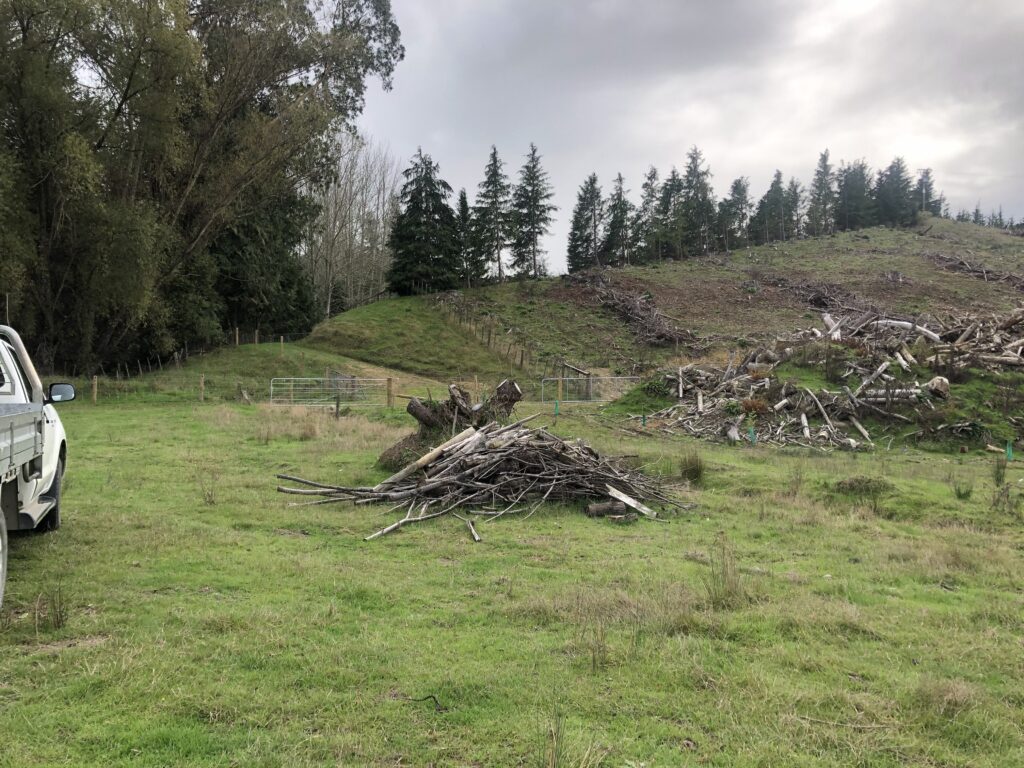
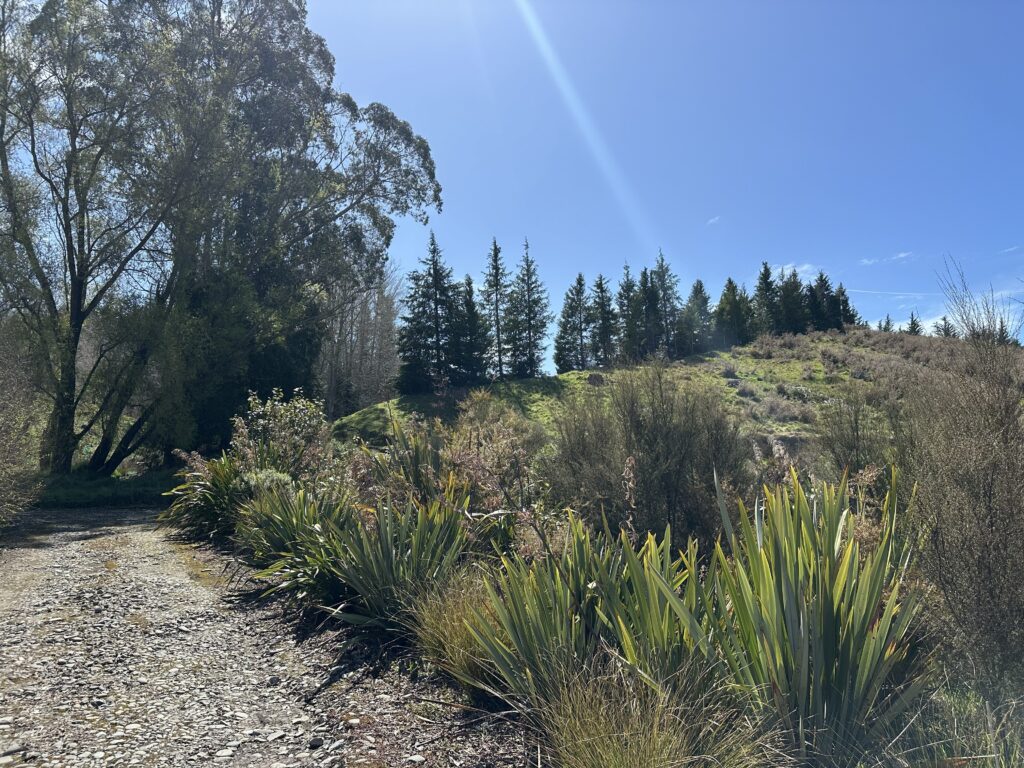
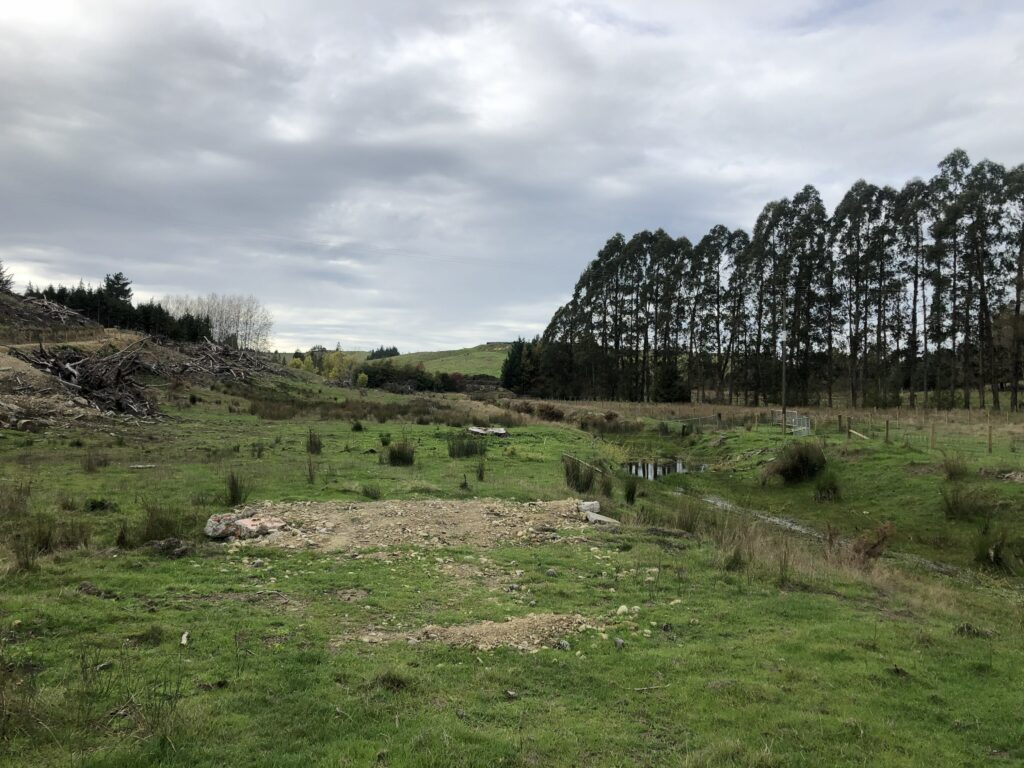
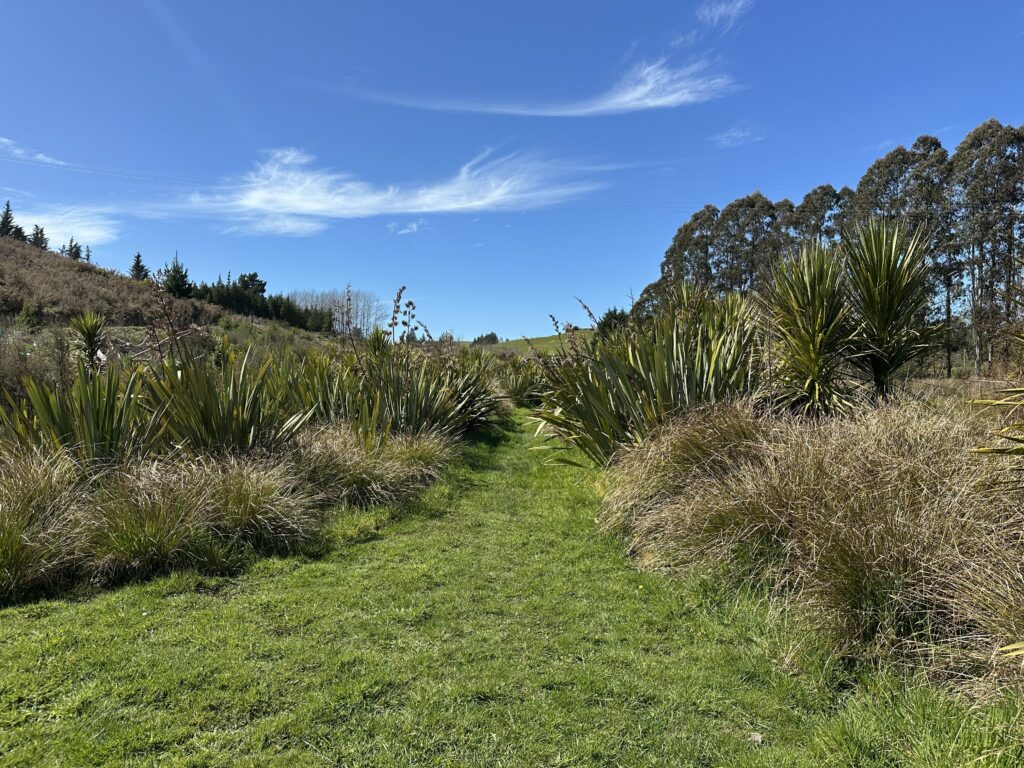
The before‑and‑after photos show the transformation — open paddocks becoming connected native corridors, and a personal project becoming a long‑term contribution to the health of the farm and the wider catchment.
What started during a time of global uncertainty has become a steady, local restoration journey. It’s a reminder that catchment care often begins with individual decisions, taken one step at a time, by people who want to look after the places they call home.