

Flood‑Spread Weeds – What You Can Do
The June/July floods moved a huge amount of plant material across our river systems, and we’re now seeing pest plants popping up in places they haven’t been before. Tasman District Council has highlighted two species in particular that need to be reported: Himalayan balsam and Asian knotweed.
Here’s what to look for — and what to do if you find them.
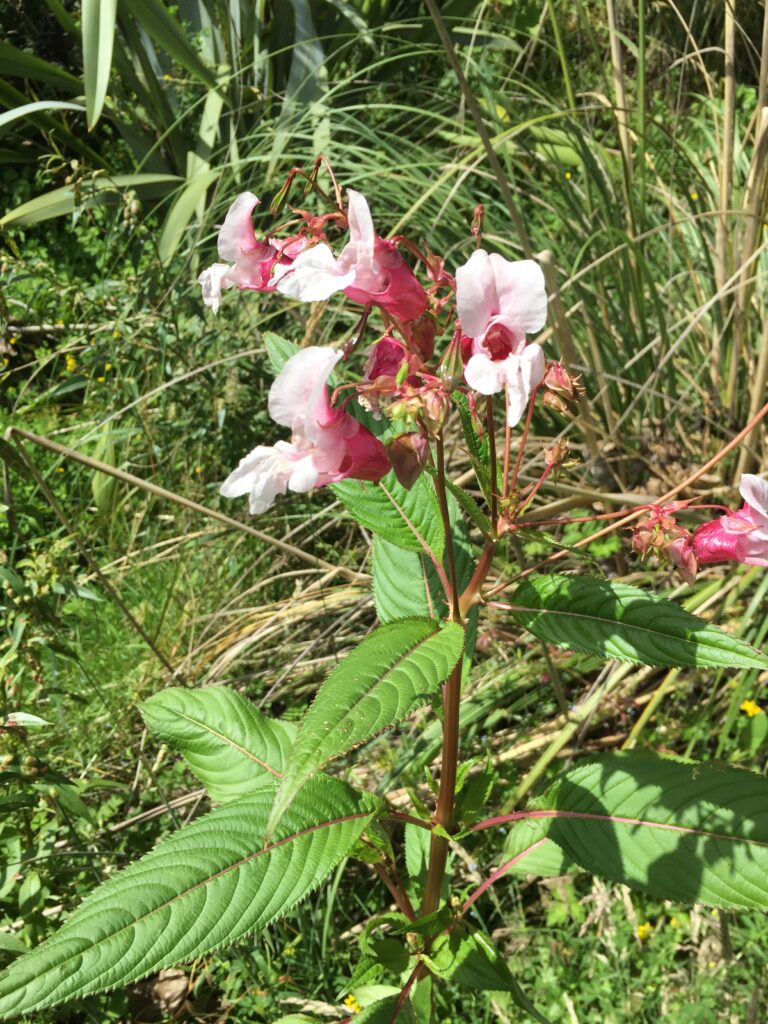
Himalayan balsam
This has spread widely along the Motueka River after the floods and seed may have travelled downstream.
 the photo on the right is likely what it will look like in the Motueka Valley.
What to do:
– You can hand‑pull it — it’s shallow‑rooted and comes out easily.
– Please still report it to TDC, even if you remove it.
– New sites help the Biosecurity team understand how far it has spread.
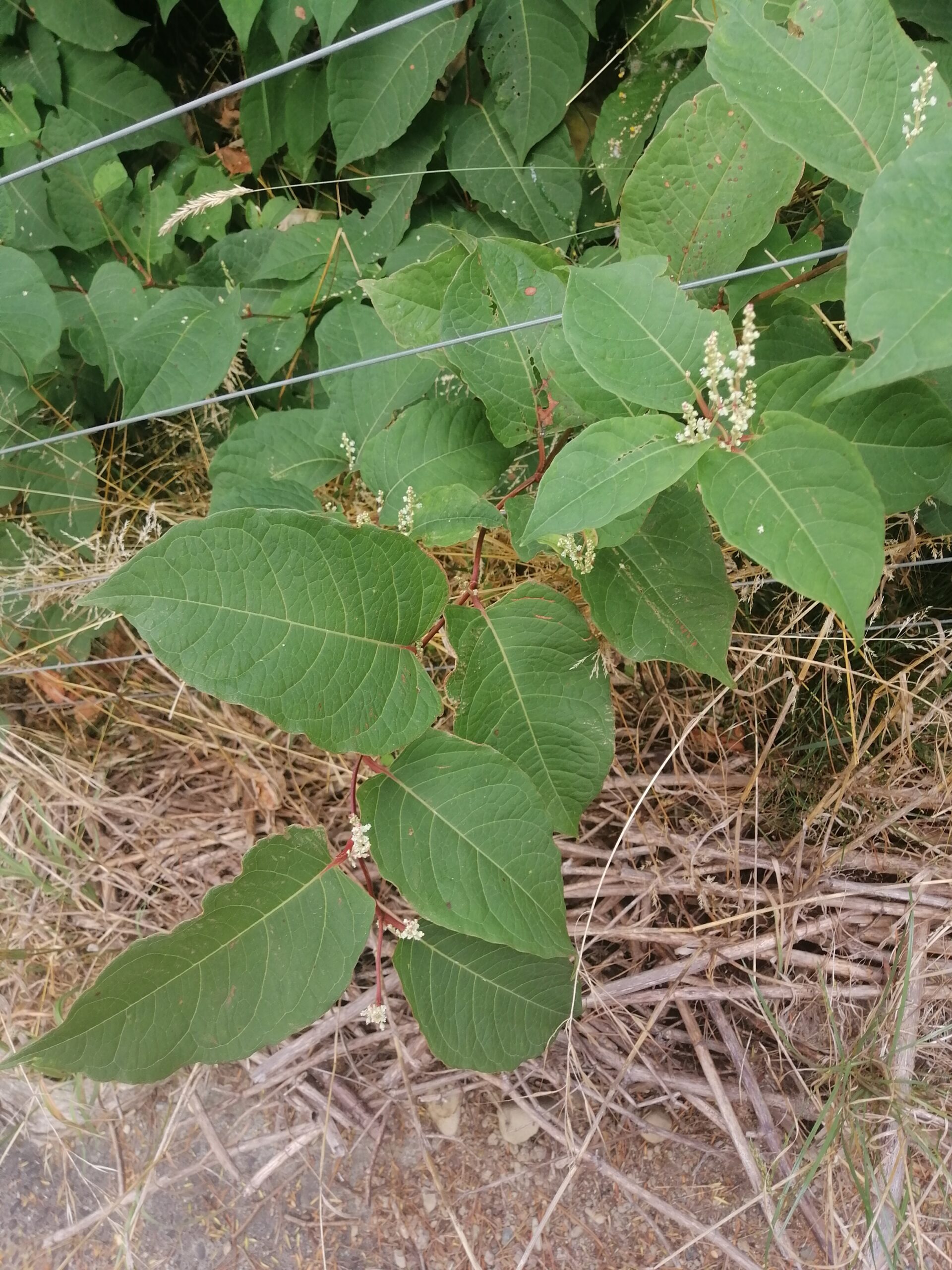
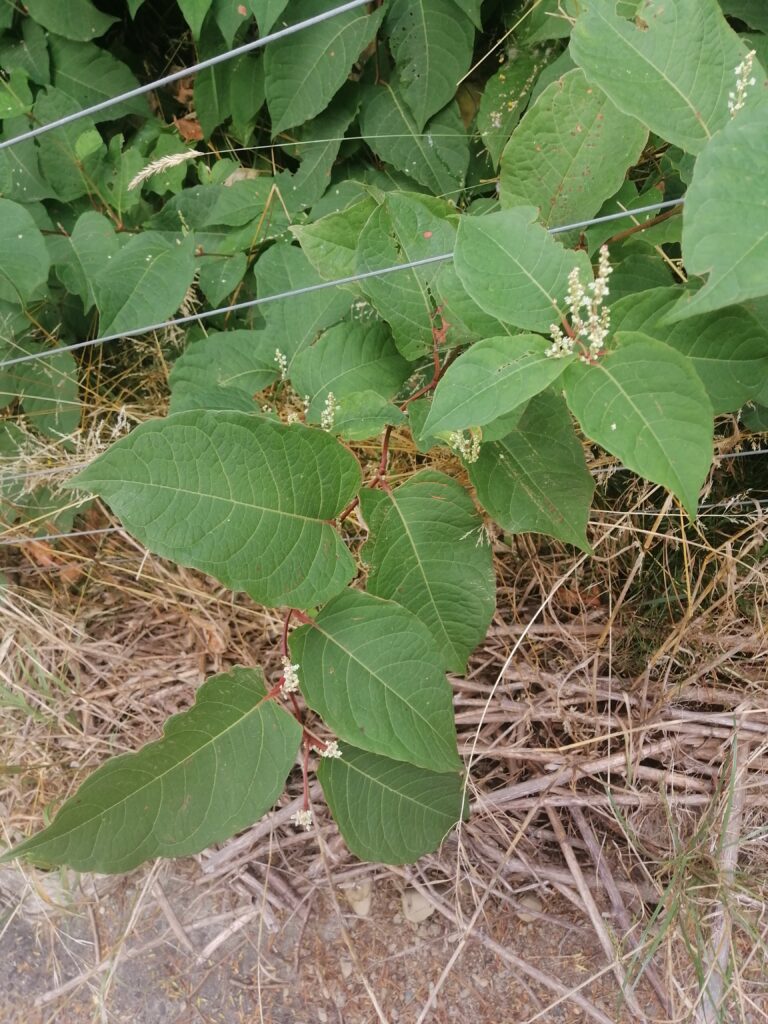
Asian knotweed
This is a high‑priority eradication species. It spreads underground through powerful roots that can damage foundations and infrastructure. Only one herbicide works on it, and only TDC is approved to use it over water.
The photo on the left shows what Asian knotweed looks like.What to do:
– Do not try to control it yourself.
– Note the location and report it straight to TDC.
– Reporting early helps stop new infestations from taking hold.
Not sure what you’re looking at?
You can:
– drop a sample to the Richmond office for ID, or
– email a clear photo to biosecurity@tasman.govt.nz
TDC can usually identify it
quickly and let you know the best next steps.
For all other flood‑spread weeds
Landowners are encouraged to manage these themselves. TDC’s website has practical guides for many common species, and their Biosecurity team is happy to give advice.
More info: tasman.govt.nz/pests-and-weeds
Biosecurity team: biosecurity@tasman.govt.nz or 03 543 8400