MCC Group Updates!
With the completion of the three year contract with Ministry for Primary Industries (MPI) at the end of September, it has been a time of change and transition for MCC’s groups. However despite funding and resource reductions, and the loss of our catchment co-ordinator, Shannon Parker, the MCC core team has continued with great progress, commitment and a sense of unity into the later part of the year.
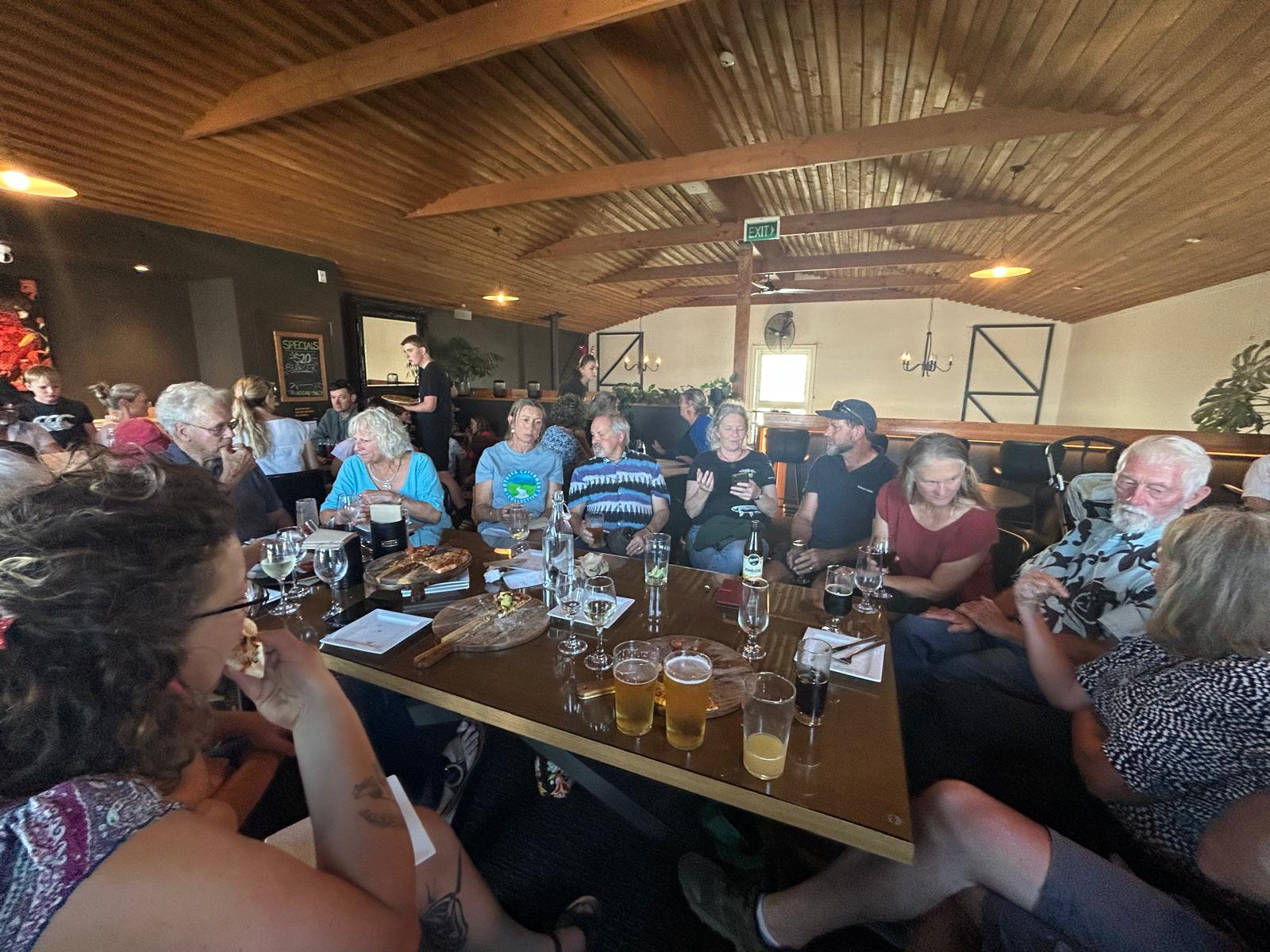
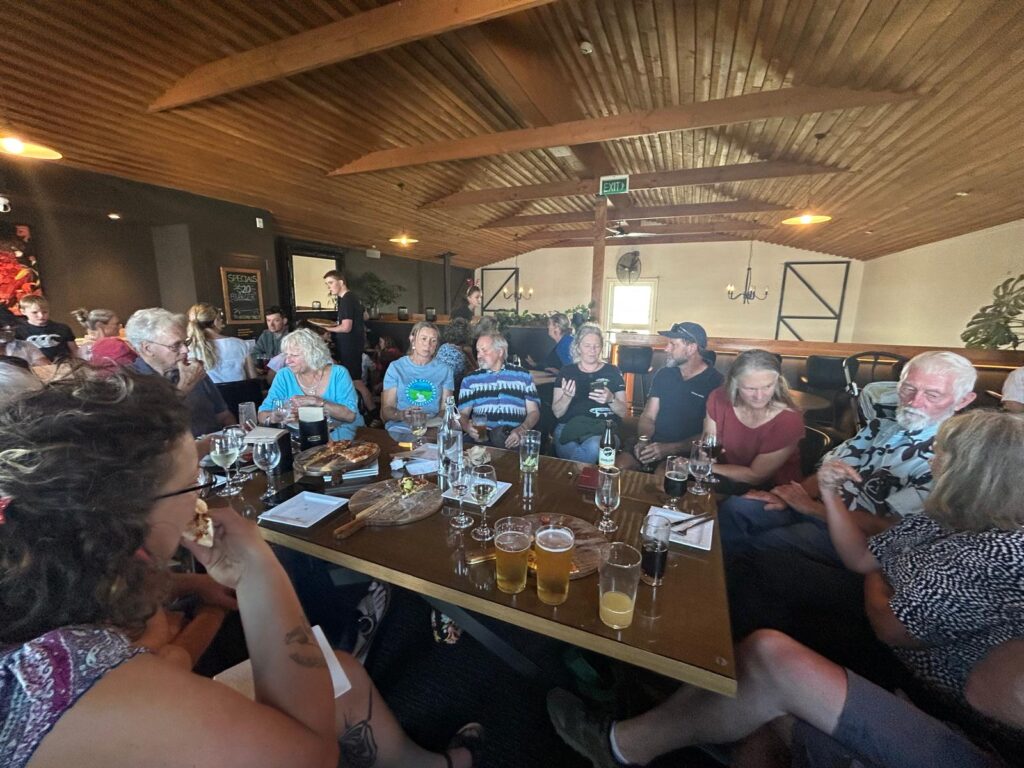
Here are a few updates of what key MCC groups have been up to. You can see some of the many key MCC people here although there are quite a few missing from this page.
Steering Group Update
The Motueka Catchment Collective (MCC) is guided by a Steering Group made up of community members from across the catchment — farmers, growers, lifestyle block owners, iwi representatives, and others who bring diverse perspectives. Co‑chairs Debbie Win (Dovedale farmer) and Dayveen Stephens (Ngāti Tama) help keep our mahi on track.
Over the past few months the Steering Group has taken stock of its journey so far, reflecting on what’s worked well, the challenges faced, and how to keep adding value. With three years of mahi behind us, the group agreed it’s time to refresh its purpose: focusing on leadership, prioritising effort, ensuring community voice, and linking Catchment Plan actions to funding and priorities.
Looking ahead, the Steering Group is:
- Welcoming new members to broaden representation and bring in fresh skills
- Planning larger educational events for 2026, with flood risk and water temperature as key themes
- Strengthening connections with youth and thematic groups, with a cross‑MCC gathering early next year
- Continuing consultation on the Draft Catchment Plan to bring in wider community feedback
Alongside this governance work, our thematic groups are where action happens — from planting and nurseries (Biodiversity & Restoration), to trapping and weed control (Pest Management), to river advocacy and education (Living River). Together, they keep the collective grounded in practical community mahi.
Biodiversity & Restoration Group Update
The Biodiversity & Restoration Group has a new chair — Annette Litherland — taking over from Kate Radloff, who continues her mahi with Tasman Bay Guardians. Since September the group has been busy, with planting, nurseries, and rare species all on the agenda.
More than 3,000 native trees went into the ground this year, adding to a remarkable total of over 16,000 in four years by one member alone. Surplus seedlings found homes through schools, community nurseries, and giveaways at the Ngatimoti Festival. School nurseries at Tapawera and Brooklyn are now thriving, with students learning propagation and seed collection. Work is also underway on a rare plant list — including mistletoe, rimu, and divaricating shrubs — and plans are forming for a seed collection workshop in early 2026.
Funding wins included 2,500 plants secured through Trees That Count, with priorities set for QEII sites, riparian projects, and experienced landowners. A Lotteries proposal is also in the pipeline for March 2026. Community engagement has been strong, with a busy Ngātīmoti Festival stall, a Baton workshop drawing 37 participants, and ongoing seedling giveaways connecting locals with restoration.
Pest Management Group Update
The Pest Management Group’s November meeting at DOC offices was full, reflecting the strength of the group, with an impressive collective expertise on pest management there. Projects are moving: Shedwood Bush now has 40 DOC200 traps deployed, Motueka Delta trap lines are being set up, and MCC has helped Riuwaka School set up traps too. Haycocks Bush has seen 900m of old man’s beard cleared, and the group are happy to report that because of the very generous community donation of $5000 Andy Wards can continue his contract work to tackle the really hard OMB to support the work of the community. This will enable another 200m to be cleared. Bruce has schedule working bees through 2026. The Pest Management Group thanks this wonderful community member for their generous donation.
Challenges remain — floods washed away traps, highlighting the need for better anchoring and replacement funding, although this has been secured by TET. The group is also exploring humane pest dispatch training, signage and QR codes to attract volunteers, and collaborations with NMIT trainees and Whenua Iti to build capacity. Feedback on the Draft Catchment Plan stressed the need for weed control before planting, broader predator control across farms, and realistic targets matched with funding and people power.
Living River Group Update
The Living River Group met in November at Mahakaruna Farm, Ngatimoti, with lively discussion on the Draft Motueka Catchment Plan. Members raised important questions about what “restoration” really means, stressing the need for clear definitions, realistic targets, and recognition of urban Motueka as part of the catchment.
The group highlighted inconsistencies in the plan and called for problems to be named upfront, so the community can see what issues we’re tackling. Education was seen as vital, with strong support for a short film to share the Living River perspective.
Looking ahead, members will attend River Care meetings, explore ways to connect with partners, and continue speaking up for the river. Whatever the next steps, the group is united in its commitment to protect and improve the Motueka River.
Other MCC groups
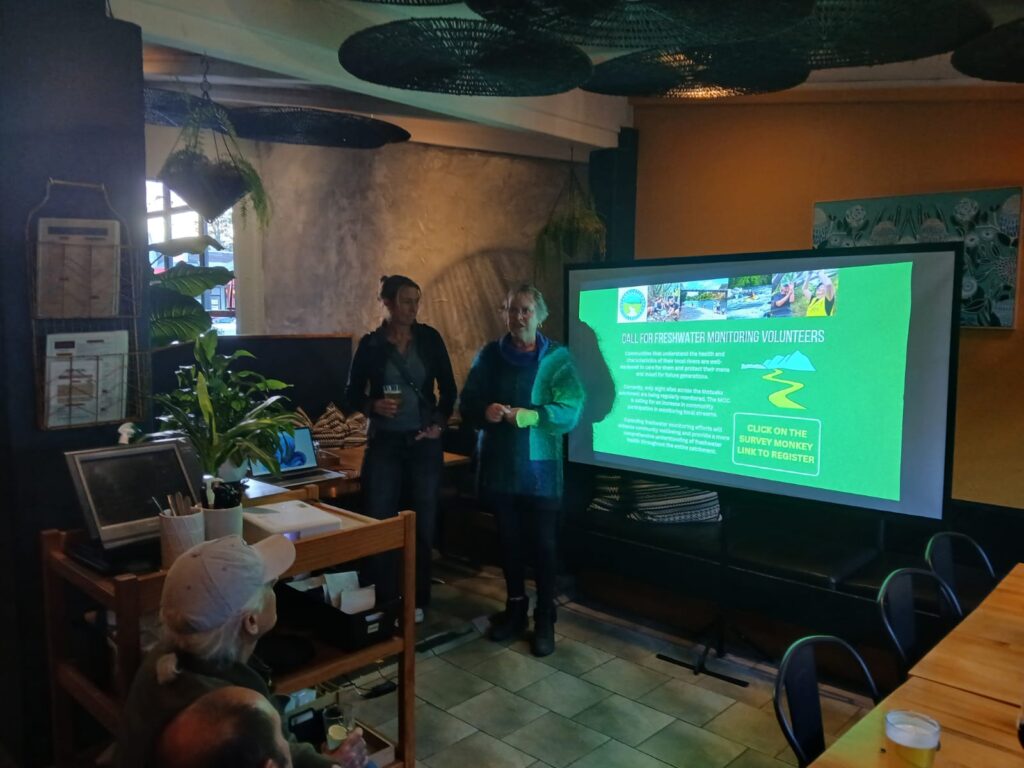
Post‑flood commitments and damage to installed infrastructure including picnic tables, have meant the Access & Recreation and Forestry groups are not currently meeting, and the Freshwater Monitoring Group is on pause. However, 10 Community Based Freshwater Monitoring groups continue their regular mahi with the support of MCC and Tasman Bay Guardians.
Christmas celebrations
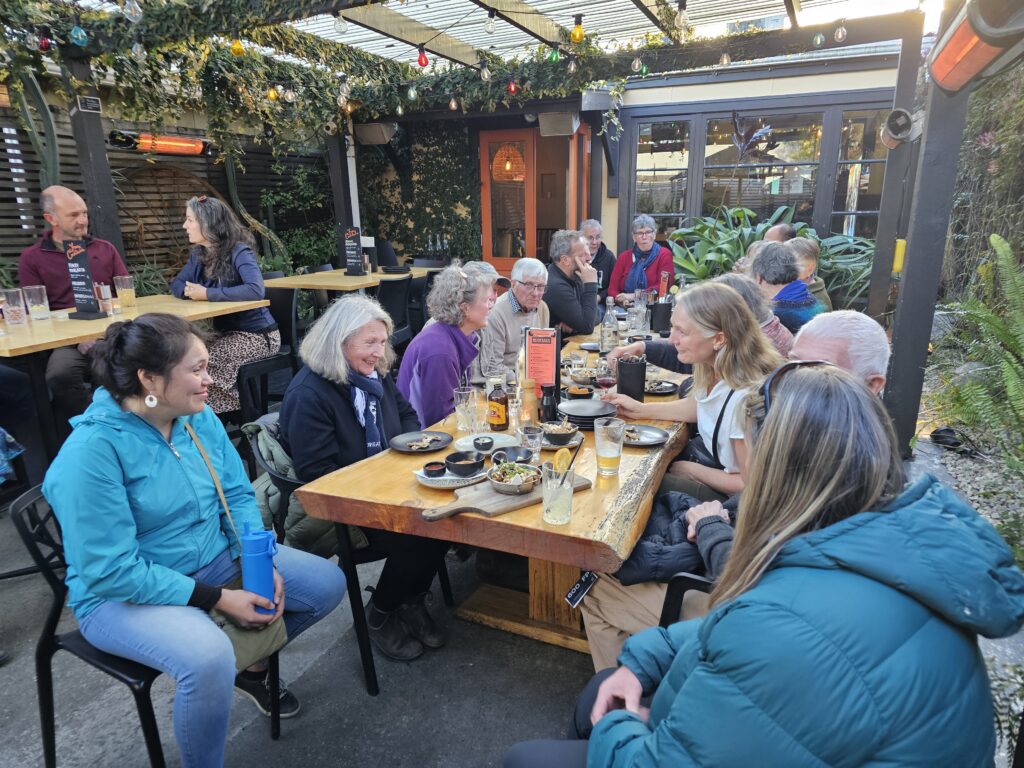
MCC people and supporters and partners gathered at the Sprig and Fern last Friday (the night of the Santa Parade) to celebrate the year, relax and unwind after a hard year of mahi. It was a fun evening! Ngā mihi to all who came along.
Previous Story
Sub-Catchment Conversations Spark Collective Action
Next Story